How Babies' Crib Mattresses Are Polluting Their Nurseries (And What To Do About It)
You Saw the Warning. Research is Revealing the Dangers of Mainstream Crib Mattresses - Here’s the Science (all sources at bottom of page):

You've created a safe space, but what if the danger is invisible? Researchers at the University of Texas found that common crib mattresses release dozens of chemicals called VOCs (Volatile Organic Compounds).
Worse, they discovered that your baby's own body heat can increase these emissions, creating a "cloud" of pollutants right in their breathing zone.


Here’s something most parents are shocked to learn. To meet federal flammability standards, many mainstream mattress brands treat their products with chemical flame retardants.
The problem? These chemicals don't stay in the mattress.
A 2023 study in Environmental Science & Technology Letters found that the air immediately surrounding a sleeping child had significantly higher concentrations of these chemicals than the rest of the room. The chemicals can break away from the mattress material and settle in household dust, which babies can then inhale or ingest.
The very feature designed to meet a 'safety' standard has become another source of potential chemical exposure in the nursery.
A waterproof mattress sounds convenient, but how is that plastic layer made? Often, it's with vinyl (PVC).
To make vinyl soft and flexible, manufacturers add chemicals called phthalates. These are not chemically bonded to the plastic, meaning they can leach out over time into the sleep environment.
Health experts are concerned about phthalates because they are known endocrine disruptors, meaning they can interfere with the body's natural hormones - a serious concern for a developing baby.


You'll see a lot of friendly-looking green labels. But terms like "eco-friendly" or "natural" often mean very little.
Even the popular "CertiPUR-US®" seal just means the polyurethane foam inside has been tested for some chemicals. It doesn't change the fact that the core is still a petroleum-based plastic that can off-gas. It's a half-measure, not a true solution. And Greenguard is good for certifying low VOC emissions, but doesn't mean the materials are natural or organic.
So how can you be 100% sure? Look for two key certifications: GOTS (Global Organic Textile Standard) for the cotton and wool, and GOLS (Global Organic Latex Standard) for any latex foam. Together, they are the 'dynamic duo' of organic purity, ensuring every single component is safe.
These aren't a marketing gimmick. They’re strict, internationally-recognized certifications that guarantee every part of the mattress - from the cotton to the inner core - is truly organic and made without any harmful chemicals. If you see them together, it means zero synthetic foam, zero VOCs, and zero dangerous chemicals. Period.
Most parents assume they have two choices: spend $400+ on a certified organic mattress from brands like Avocado's, or risk their baby's health with a conventional option.
For years, that really was the only choice.
But there's a third option most parents don't know about.
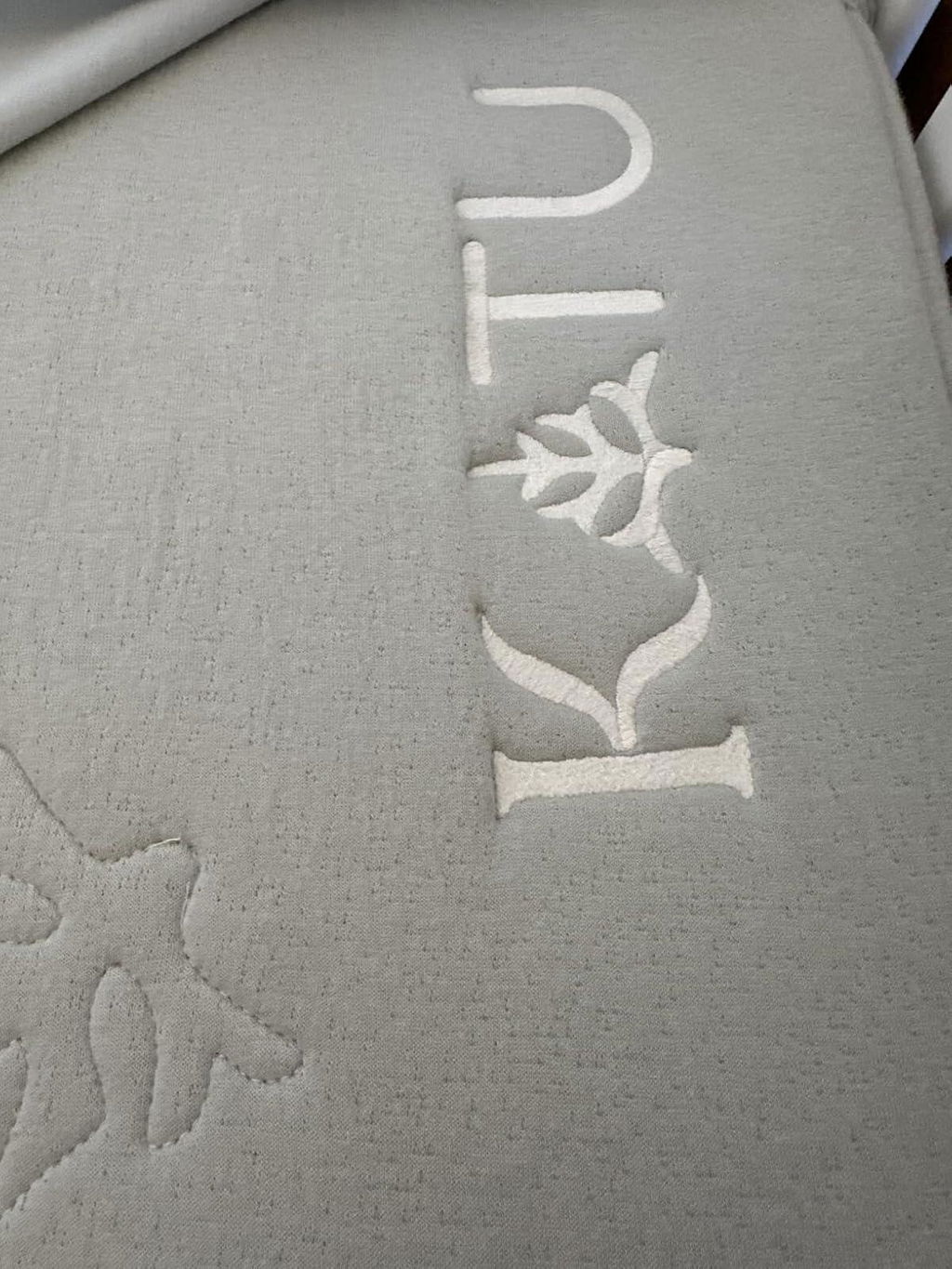
One brand creating buzz in parenting forums is KATU, a direct-to-consumer company that carries the same GOTS & GOLS certifications as premium brands — but at a much lower price.
Why is it cheaper?
By selling directly online and manufacturing in small batches in Sri Lanka, they skip the retail markups that push other organic mattresses past $400.
The catch? They sell out fast. They spend most of the time on pre-orders only and the current batch is already 85% sold.
Here's why parents are comfortable reserving early:
✅ 100-night risk-free trial (starts at delivery, not pre-order)
✅ Lifetime guarantee
✅ Same certifications as $400+ brands
As one Reddit parent put it: "I compared the certifications side-by-side with Avocado and realized I'd be paying for brand recognition, not materials."
Don't settle for chemicals. And don't get stuck on a waitlist.
Order your KATU mattress risk-free before they sell out



Frequently Asked Questions
How does the dual-sided design benefit my child?
This means the crib mattress has a firm side and a slightly softer side. For infants, use the firm side. Once the baby is approximately one year old, turn the mattress over for a more comfortable sleep surface. Both sides are firm enough to be safe for an infant.
How do I care for the mattress?
Since we wanted to make the mattress completely plastic-free, it is not waterproof on its own. Hence we strongly recommend pairing it with the KATU Organic Mattress Protector which fits our mattress perfectly, we offer this at a discounted rate when purchasing a mattress for your ease of use
Is the mattress safe for sensitive babies?
Absolutely! In fact, more sensitive babies will benefit the most from our mattress's 100% organic, VOC-free construction and are most at risk from mainstream mattresses
Will this mattress fit my crib?
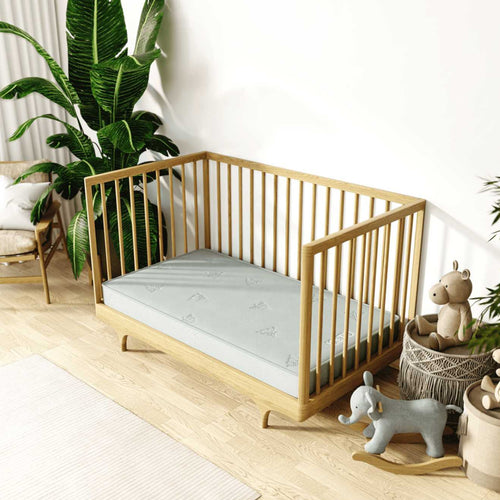
Our mattress is built specifically to fit snugly within standard US cribs, it measures 52" x 28" x 5" and weighs approximately 15lbs
How do I know this mattress is safe for my baby?
Our mattress has gone through rigorous lab testing according to CPSIA and ASTM standards. If you are curious, feel free to get in touch and we can happily share the certificates from this testing for your peace of mind
How does the free trial work?
We're so confident that you'll love our products, we're happy to offer a 100-night free trial. We ask that you use a mattress protector to keep your mattress in a suitable condition during your trial period, free from excessive stains, tears, odors, or soiling. Maximum 1 mattress allowed per household.
Simply reach out to us and we can arrange the return ticket
How does the lifetime guarantee work?
KATU Organic Crib Mattresses come with a lifetime guarantee. If you ever have a product issue, please contact us immediately and we will gladly help resolve the issue. As a US-based organic brand, we prioritize solving problems quickly and keeping our customers pleased.
Please leave all labels in place, unaltered. Mishandling and neglect will void the guarantee, including stains and unsanitary conditions. The guarantee does not cover mold, odors, and/or discoloration.